
The Five Love Languages: A Comprehensive Guide to Better Relationships
Take 5 Love Languages Test
Get StartedUnderstanding the Core Idea and Why It Still Matters
Relationships thrive when affection is translated into a dialect the other person can easily receive. The Five Love Languages framework gives couples, families, and friends a simple way to interpret the signals of care and to respond more intentionally. Rather than guessing what your partner wants, you learn the patterns that make appreciation land with clarity.
The model organizes expressions of care into distinct categories so everyday choices feel more meaningful. In practice, it turns vague advice, “communicate better”, into concrete actions you can actually do. For readers who prefer practical tools, the approach offers memorable names, straightforward examples, and flexible applications at every life stage. Many people first encounter the idea through a book or a workshop, and they quickly realize how small adjustments can produce outsized gains in warmth and trust. In this same spirit, you can deepen your understanding by exploring the accessible perspective behind 5 love languages Gary Chapman, which encourages curiosity rather than criticism.
This framework is not about personality labels; it is a living conversation. You can tailor it to your culture, history, and goals without losing the simplicity that makes it stick. Over time, couples often develop a shared vocabulary that turns conflict into collaboration and routine moments into rituals of connection.
The Five Love Languages, Clearly Explained
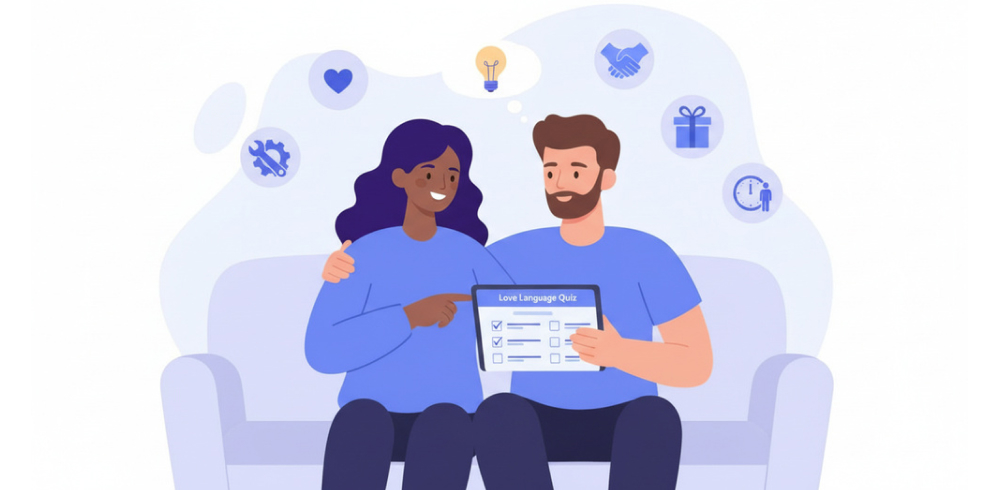
At its heart, the model proposes that people tend to prefer one or two primary channels of emotional delivery. The five categories are Words of Affirmation, Quality Time, Acts of Service, Receiving Gifts, and Physical Touch. While everyone can appreciate each language, most people have a default setting that makes love feel unmistakably real.
- Words of Affirmation: Encouraging statements, specific praise, and kind notes that highlight effort and character.
- Quality Time: Undivided attention, deep conversations, and shared experiences without distractions.
- Acts of Service: Helpful actions that reduce stress, anticipate needs, or move a project forward.
- Receiving Gifts: Thoughtful tokens that symbolize attention, memory, and meaning more than money.
- Physical Touch: Hand-holding, hugs, and affectionate contact that communicates presence and safety.
Each language is both simple and nuanced, because context matters as much as content. Some people want frequent micro-moments while others prefer fewer but richer interactions. When you map your own preferences, you start noticing where effort is misdirected and how to redirect it wisely. If you like structured reflection, you might appreciate how an assessment can spotlight tendencies in a digestible way, which is why many readers reference the approachable 5 love languages Gary Chapman quiz to start meaningful conversations at home.
As you learn the pattern, look for small experiments you can repeat. A sticky note on the mirror, a focused 20-minute walk, or a chore completed quietly can all speak volumes when aligned with the right language.
Evidence-Backed Benefits and Everyday Payoffs
When partners feel accurately understood, they naturally soften, listen, and reciprocate. The framework fosters empathy by shifting attention from what you would want to what your loved one actually values. In counseling contexts, this reframing often reduces defensiveness and accelerates repair after conflict, because people see a path to try again differently.
Communication improves as vague complaints turn into specific requests tied to a language. Couples report less resentment when appreciation is obvious and frequent. Parents and teens benefit from predictable rituals that convey care without long speeches, and even workplace relationships can become more considerate when teams adopt parallel principles like acknowledgment and time attentiveness. For those who prefer guided discovery, many start their journey with a helpful assessment aligned to these categories, and they learn patterns through the accessible 5 love language test Gary Chapman, which provides a quick snapshot of tendencies to explore further.
Beyond romance, the model strengthens friendships by clarifying boundaries and expectations. People who once felt unseen finally experience their needs being met in a way that feels natural and sustainable.
How to Discover Your Primary Language and Put It to Work
Start by noticing what you request most often and what disappoints you most deeply. Reflect on the gestures that feel disproportionately meaningful, and consider childhood memories or formative relationships that shaped your preferences. Self-observation within daily routines is as valuable as any assessment, because your schedule already contains clues about how you connect best.
Many individuals triangulate their results through conversation and reflection, and they sometimes add a formal assessment for clarity by referencing the accessible Gary Chapman 5 love languages quiz as a neutral starting point for discussion. After you gather insights, translate them into small, repeatable habits that fit your context rather than grand gestures that fade quickly.
| Love Language | Clues You Prefer It | Everyday Examples |
|---|---|---|
| Words of Affirmation | You replay compliments and feel revived by encouraging messages | Send a midday text, write a weekly note, celebrate effort specifically |
| Quality Time | You crave undivided attention and feel distant when multitasked | Plan device-free walks, cook together, schedule standing coffee dates |
| Acts of Service | You notice practical help more than praise or gifts | Do chores unprompted, prep meals, organize a task your partner dreads |
| Receiving Gifts | You cherish symbols and keepsakes that mark moments | Bring a favorite snack, curate a small care package, save ticket stubs |
| Physical Touch | You relax through proximity and affectionate contact | Hold hands, hug often, offer a shoulder rub after long days |
As you review the table, pick one micro-habit per category and test it for a week. Then share observations with your partner to refine the fit. Some couples like to track patterns together and, to support that process, they sometimes consult the widely known 5 love languages quiz Gary Chapman as a shared frame for weekly check-ins.
Remember to update your approach as seasons change. Stress, new jobs, and family transitions can temporarily shift which signals feel most supportive, so keep listening actively.
Common Mistakes, Myths, and How to Avoid Them
The most frequent mistake is treating the model as a rigid label rather than a living practice. People evolve, and preferences shift with context, so keep curiosity alive. Another trap is assuming your language should match your partner’s, when the real magic lies in learning to speak both fluently. Finally, remember that all five categories matter; you can strengthen the relationship by sprinkling in secondary expressions periodically.
Over-simplification leads to disappointment when nuance is ignored. It helps to use examples and feedback loops so you can confirm whether an action truly lands. Couples who get stuck often benefit from structured prompts and brief assessments that catalyze constructive dialogue, which is why some people reference the practical Gary Chapman 5 love languages test during check-ins to keep the conversation concrete and kind.
Another myth suggests that one assessment can solve everything without effort, yet growth still requires attention and repetition. It is far more effective to pair small daily behaviors with periodic reflection, and some readers anchor those reflections to the familiar cadence of Gary Chapman's 5 love languages test as a way to revisit assumptions and celebrate progress.
Everyday Strategies to Practice Each Language Consistently
Consistency beats grandiosity. Choose actions that fit your life so they are easy to repeat, and schedule them the way you would schedule any important priority. Keep a short list of go-to gestures in your notes app and rotate them to avoid monotony.
- Words of Affirmation: Offer specific praise about effort, values, or growth, not just outcomes.
- Quality Time: Protect 15 minutes daily for distraction-free connection, even on hectic days.
- Acts of Service: Ask what would remove stress this week, then quietly execute that task.
- Receiving Gifts: Mark small wins with tiny tokens that say “I noticed” without overspending.
- Physical Touch: Build affectionate rituals around greetings, goodbyes, and bedtime.
Partners often benefit from a shared calendar and a brief weekly debrief to keep intentions visible. If you enjoy structured nudges, you can pair your habits with gentle assessments, and some couples treat the reflective cadence of the 5 love languages test Chapman as a recurring reminder to adapt lovingly.
As fluency grows, you may experiment with new gestures to keep things fresh. People who like gamified checklists sometimes add a friendly challenge that aligns with the spirit of the 5 love languages quiz Chapman, turning practice into a playful routine that is easy to sustain.
FAQ: Smart Answers to Common Questions
How many love languages can someone have, and can they change over time?
Most people have a primary language with one close secondary, and the balance can shift with life stages or stress. After major transitions, it is wise to check in again and recalibrate together so your efforts stay relevant and nurturing.
What if my partner and I value completely different languages?
View differences as a map, not a mismatch. Start by exchanging one small gesture in each other’s language daily, then discuss what landed and why. With repetition, empathy builds quickly and friction decreases noticeably as both people feel seen.
Is there a way to explore the model without paying or committing to a long program?
Plenty of free introductions, tip sheets, and mini-assessments exist, and many couples begin with a short conversation before adding a tool like the approachable Chapman 5 love languages quiz to guide their first week of experiments.
How do we apply this with kids, teens, or extended family?
Match gestures to age and context, focus on routines, and keep it playful. Younger children often respond to physical presence and simple rituals, while teens gravitate toward autonomy-supportive actions and focused time without lectures.
Can I practice without an official assessment or book?
Absolutely, because observation and feedback are powerful teachers. Many people start by journaling reactions to daily gestures, then add a lightweight tool such as the accessible 5 love languages quiz free Gary Chapman to compare notes and refine their approach over time.
How do I select an assessment that suits my learning style?
Choose brief questionnaires if you prefer quick insights, and pick longer reflections if you enjoy nuance. Some users appreciate the familiar language and clear categories presented in the approachable 5 love languages test Gary Chapman because it offers a simple baseline to revisit together.